
The Performing Arts in Ancient Java: Historical and Archaeological Studies
Article Sidebar
Main Article Content
Abstract
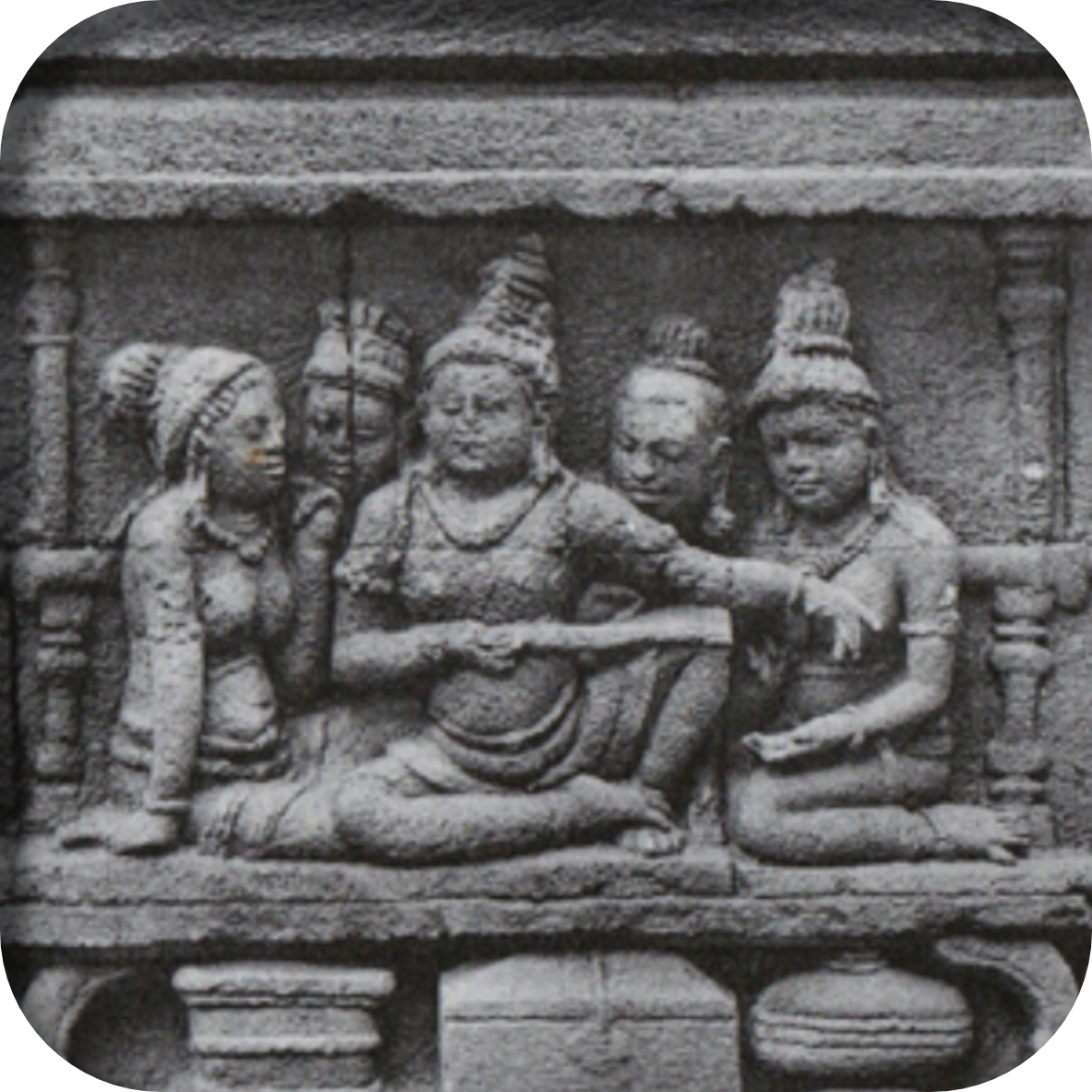
This research was conducted to investigatesthe development of performing arts through historical and archaeological evidence, including inscriptions, temple reliefs, literary texts, and performing arts artifacts. This research aims to explore the cultural significance of the performing arts in ancient Java and how the influence of Hindu-Buddhist culture transformed traditional art forms into more structured and complex ones. This focus emerges from the limited understanding of how performing arts shaped and reinforced social solidarity in Javanese society. This research employs historical methodology with a qualitative descriptive approach. This method includes four main stages: (1) Heuristics collection data from written sources (inscriptions, kakawin, and historical texts) and unwritten sources (artifacts and temple reliefs); (2) Criticism to evaluate the authenticity and credibility of sources through external and internal criticism; (3) Interpretation to analyze the meaning and relationship between historical data; and (4) Historiography to compile a coherent historical story. The results show that the performing arts in ancient Java, such as wayang and gamelan, developed rapidly through the adaptation of Hindu-Buddhist values. Wayang, which was originally a medium for ancestral worship, transformed into a means of entertainment and a medium for delivering Indian epics such as the Mahabharata and Ramayana. Reliefs on temples such as Borobudur and Prambanan illustrate the integral role of dance and music as an important part of the social and religious life of ancient Javanese society. In addition, the art of comedy has also developed as entertainment that conveys moral messages and enlivens the social atmosphere.
Article Details

This work is licensed under a Creative Commons Attribution-NonCommercial-ShareAlike 4.0 International License.
References
Anderson, B. R. O. (1965). Mythology and the tolerance of the Javanese. Modern Indonesia Project, Southeast Asia Program, Department of Asian Studies, Cornell University,.
Awalin, F. R. N. (2018). SEJARAH PERKEMBANGAN DAN PERUBAHAN FUNGSI WAYANG DALAM MASYARAKAT. Jurnal Kebudayaan, 1(13), 77–89.
Aziz, F., & Pamungkas, J. H. (2018). Instrument Musik Pada Masa Kerajaan Majapahit. AVATARA, e-Journal Pendidikan Sejarah, 6(1), 52–63.
Bagaskara, Y. D., Joko Sujarwo, Radhitya Kusuma Negara, Rizky Kusuma Adi, Gibson Samuel Imbenai, Tegar Taryan Margatama, & Albertus Prasoj. (2024). CITRA SPIRITUALITAS MASYARAKAT JAWA DALAM SEJARAH SENI PERTUNJUKAN WAYANG. ENGGANG: Jurnal Pendidikan, Bahasa, Sastra, Seni, Dan Budaya , 4(1), 215–232.
Brandes, J. L. A., & Nicolaas Johannes Krom. (1920). Pararaton (Ken Arok) of Het Boek Der Koningen van Tumapel en Van Majapahit. Albrecht.
Durkheim, É. (2001). The Elementary Forms of Religious Life. Oxford University Press.
Geertz, C. (1973). The Intrepretation of Cultures. Basic Books.
Hariyono. (1997). Epigrafi Studi tentang Prasasti. Jurusan Pendidikan Sejarah.
Huan, M. (1970). Ying-Yai Sheng-Lan. Cambridge University Press.
Krom, N. J. (1926). Inleiding Tot De Hindoe-Javaansche Kunst. Martinus Nijhof.
Kunst, J. (1937). The music of Java. Koloniaal Instituut.
Kunst, J. (1949). Hindoe-Javaansche Muziek Instrumenten Speciaal die van Oost Java. Batavia: Koninklijk Bataviaasche Genootschap van Kunsten en Wetenschappen. Martinus Hague.
Kuntowijoyo. (2013). Pengantar Ilmu Sejarah. Tiara Wacana.
Monika, A. (n.d.). Diskursus Wilwatikta pada Kakawin Nagarakretagama sebagai Khittah Nusantara. In Seminar Nasional Seni dan Desain. Jurusan Seni Rupa dan Jurusan Desain Universitas Negeri Surabaya.
Oliver, S. A. (2010). Trauma, Bodies and Performance Art: Towards an Embodied Ethics of Seeing. Continuum. Continuum, 24(1), 119–129.
Prapanca, M. (2018). Kakawin Negarakertagama. Narasi.
Purnomo, A. D., Ardianto Nugroho, & Anggoro Cipto Ismoyo. (2020). Sengkalan Memet Pada Cagar Budaya Cirebon. Jurnal Rupa, 5(2), 81–88.
Purwanto, H. (2018). The Workship of Parwatarajadewa in Mount Lawu. Arkeologi, 14(1).
Reid, A. (2014). Asia Tenggara Dalam Kurun Niaga 1450-1680. Yayasan Pustaka Obor.
Sadeghi, Z., & Mirzapou. (2020). Women of Gilead as colonized subjects in Margaret Atwood’s novel: A study of postcolonial and feminist aspects of The Handmaid’s Tale. Cogent Arts & Humanities, 7(1).
Sedyawati. (1993). Sejarah Kebudayaan Jawa. Departemen Pendidikan dan kebudayaan Direktorat Jenderal Kebudayaan Direktorat dan Nilai Tradisional Proyek Inventarisasi dan Dokumentasi Sejarah Nasional. 1993.
Setiawan, E. (2020). Nilai Filosofi Wayang Kulit sebagai Media Dakwah. Al-Hikmah, 18(1), 33–50.
Sujarno, Christriyati Ariani, Siti Munawaroh, & Suyami. (2003). Seni Pertunjukkan Tradisional Nilai, Fungsi dan Tantangannya. Kementrian Kebudayaan dan Pariwisata DIY.
Sulemana, A. , T., J., M. E. F., & & Opoku-Bonsu, K. (2024). Reimagining Blackness through posthumanist sculpture: an analysis of the works of Ghanaian artist. Cogent Arts & Humanities, 11(1).
Sungaidi, M. (2016). Wayang sebagai Media Penyiaran Islam: Studi Atas Strategi Dakwah Walisongo di Jawa. Ilmu Ushuludin, 5(2), 137–149.
Zoetmulder, P. J. (1974). Kalangwan : a survey of old Javanese Literature. Martinus Nijhoff.
